

Breaking Down Barriers: The Power of Community for Men’s Mental Health
The mental health challenge facing men in the UK isn't just about individual internal struggle; it’s also about finding and accessing the right kind of support. While general awareness of mental health issues is improving, the process of finding support—especially support that feels relatable, timely, and non-judgmental—remains one of the biggest barriers for men seeking help.
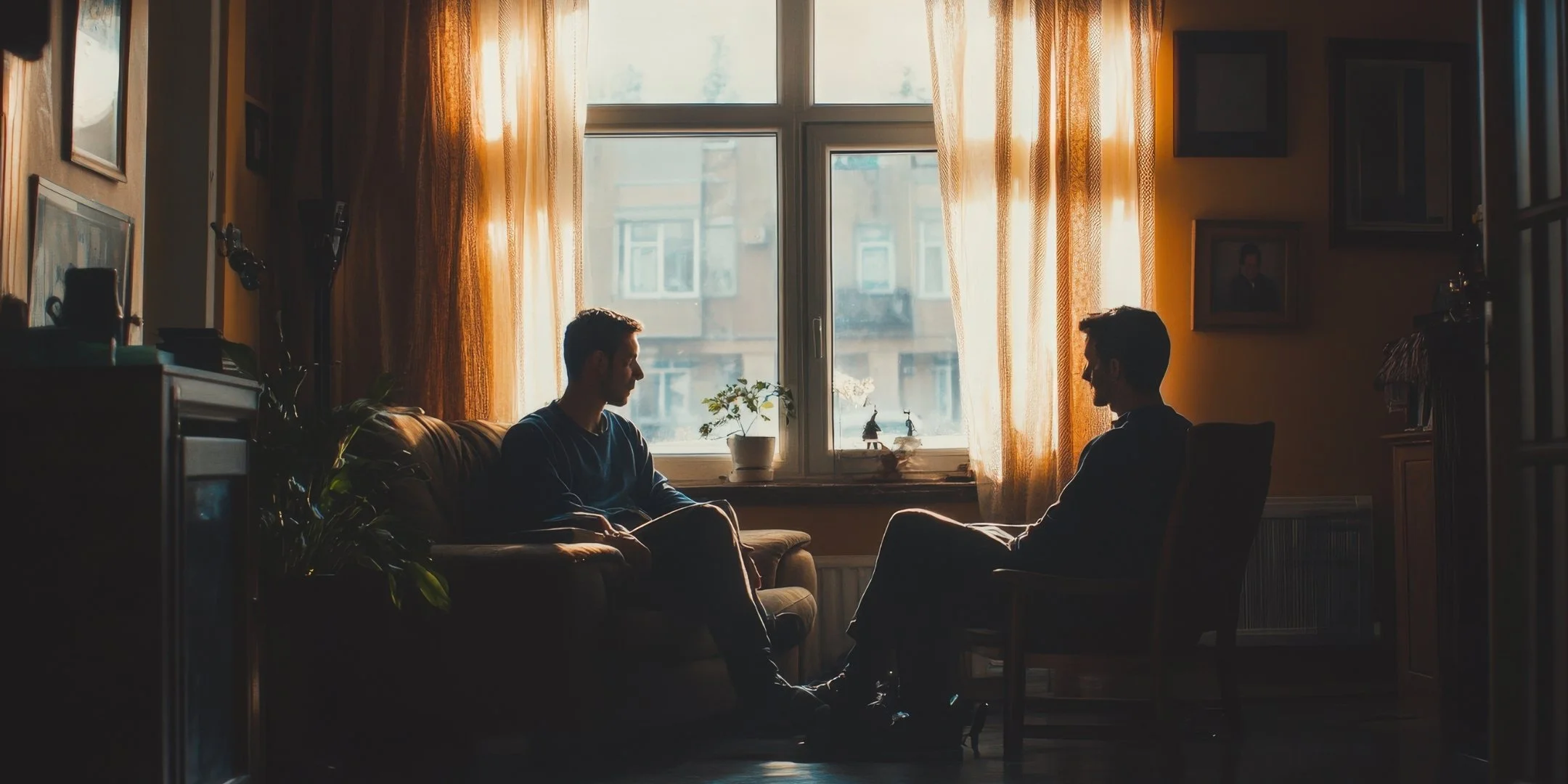
The Waiting Game and the Access Problem
The National Health Service (NHS) provides excellent and vital services, but the demand for mental health support, particularly talking therapies, is overwhelming the system. The Royal College of Psychiatrists has repeatedly highlighted the unacceptable and long waiting periods many people across the UK face just to get an initial assessment or start treatment [Source: Royal College of Psychiatrists Waiting Times Press Release]. These extended waits can be devastating and dangerous for someone who has finally gathered the courage to reach out for help. A delay can easily push someone back into isolation.
Beyond the formal system delays, there is a cultural barrier. Many men feel deeply uncomfortable in traditional clinical settings. They worry about being diagnosed, labelled, or told what to do. The formality can feel alienating, especially for those whose coping mechanisms are rooted in practical, action-based solutions rather than talking about emotions.
The Critical Role of Community
This is precisely where community-based organisations and peer support groups step in. They act as a crucial safety net and a powerful resource, filling the gap left by stretched formal services. Community groups offer an environment that is:
Immediate and Low Barrier: They offer a non-clinical, relaxed place to talk without the need for a long GP referral process. This accessibility is essential when someone is ready to talk now.
Built on Peer Connection: They provide the priceless opportunity to talk to other men who genuinely understand what you are going through—not because they read it in a book, but because they have lived it. This shared experience instantly breaks down the feeling of being alone.
Relatable and Authentic: The support provided is often tailored to specific local needs or life experiences, making the conversation more grounded and applicable.
The Evidence of Group Power
The impact of connecting men through shared experience is well-documented. Research into peer support models, such as that conducted by the Mental Health Foundation, has consistently shown that these programmes can lead to significant benefits. These include improved coping skills, a substantial reduction in feelings of isolation, and better overall wellbeing for participants [Source: Mental Health Foundation on Peer Support].
When men feel connected, they become inherently more resilient. The realisation that their struggles are not unique, but are shared by others in the room, immediately diminishes the sense of shame and failure that often accompanies mental distress. The "circle" provides a powerful mirror: seeing your own story reflected in another’s journey helps you accept that your struggles are valid, not flaws.
Our Commitment to the Circle
At B8ts, we believe profoundly in the power of the circle—a safe, non-judgemental space where men can drop the performance and simply be honest. This community support acts as a crucial first step for many and a steady, ongoing resource for those managing long-term issues. We are dedicated to building this movement of men committed to talking, listening, and supporting one another across the UK.
Get Involved: Come and be part of this supportive, life-affirming atmosphere! Find out about all our upcoming events and happenings and how you can join our circle on our Events page.
Make a Difference: Your financial support helps us keep the circle going, train our facilitators, and ensure this vital lifeline remains free and open to all men who need it. Please donate today to help us run these life-changing programmes by visiting ourDonate page.